
Lent and Space Travel
An invitation to taste the glories

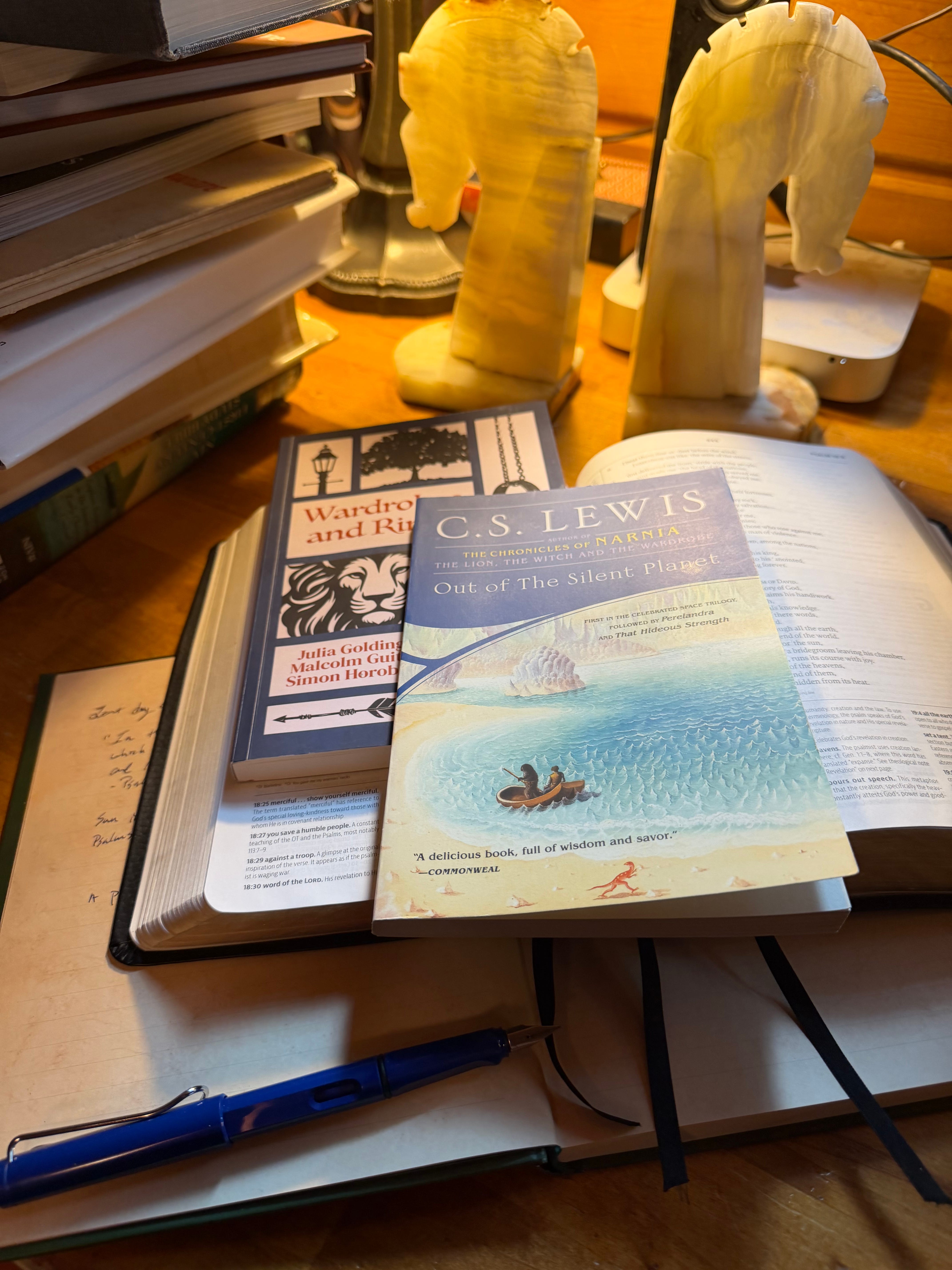
Today’s Wardrobe & Rings reading for Lent mentions a great section in C. S. Lewis’s first book in the Ransom trilogy called: Out of the Silent Planet.
The main character Ransom has been kidnapped and is being taken somewhere in space. He describes “night and day” in space where there isn’t really night and day unless you look out of the side of the space ship that’s facing toward or away from the Sun.
His description of this experience begins a narrative thread that opens up the reader to a completely different view and experience of the Cosmos.
Night
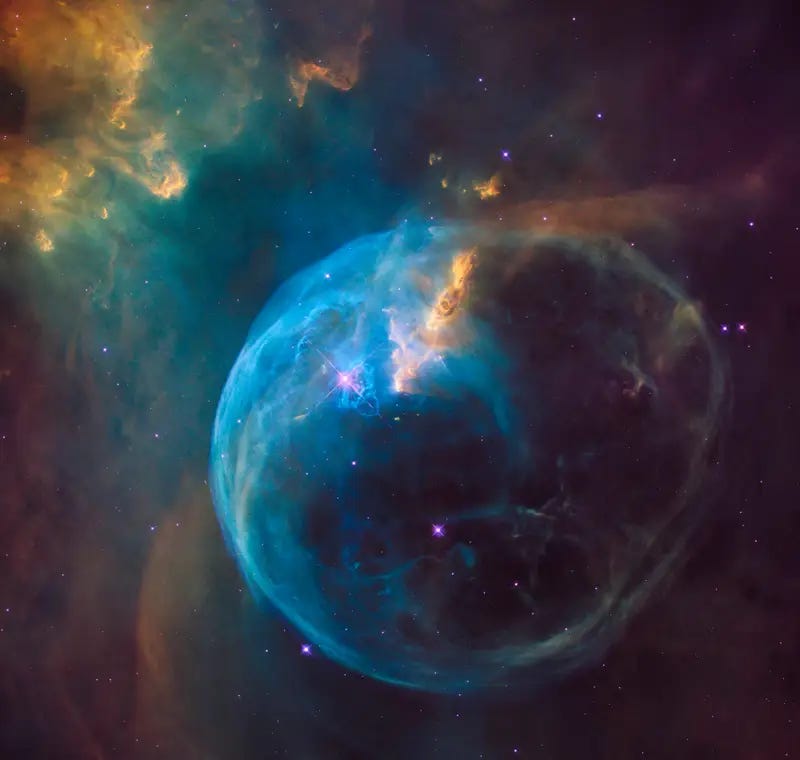
“There was an endless night on one side of the ship and an endless day on the other: each was marvellous and he moved from the one to the other at his will, delighted. In the nights, which he could create by turning the handle of a door, he lay for hours in contemplation of the skylight.
The Earth’s disk was nowhere to be seen; the stars, thick as daisies on an uncut lawn, reigned perpetually with no cloud, no moon, no sunrise to dispute their sway.
There were planets of unbelievable majesty, and constellations undreamed of: there were celestial sapphires, rubies, emeralds and pinpricks of burning gold; far out on the left of the picture hung a comet, tiny and remote: and between all and behind all, far more emphatic and palpable than it showed on Earth, the undimensioned, enigmatic blackness.
The lights trembled: they seemed to grow brighter as he looked. Stretched naked on his bed, a second Danaë, he found it night by night more difficult to disbelieve in old astrology: almost he felt, wholly he imagined, “sweet influence” pouring or even stabbing into his surrendered body.
All was silence but for the irregular tinkling noises. He knew now that these were made by meteorites, small, drifting particles of the world-stuff that smote continually on their hollow drum of steel; and he guessed that at any moment they might meet something large enough to make meteorites of ship and all.
But he could not fear. He now felt that Weston had justly called him little-minded in the moment of his first panic. The adventure was too high, its circumstance too solemn, for any emotion save a severe delight.”
Day
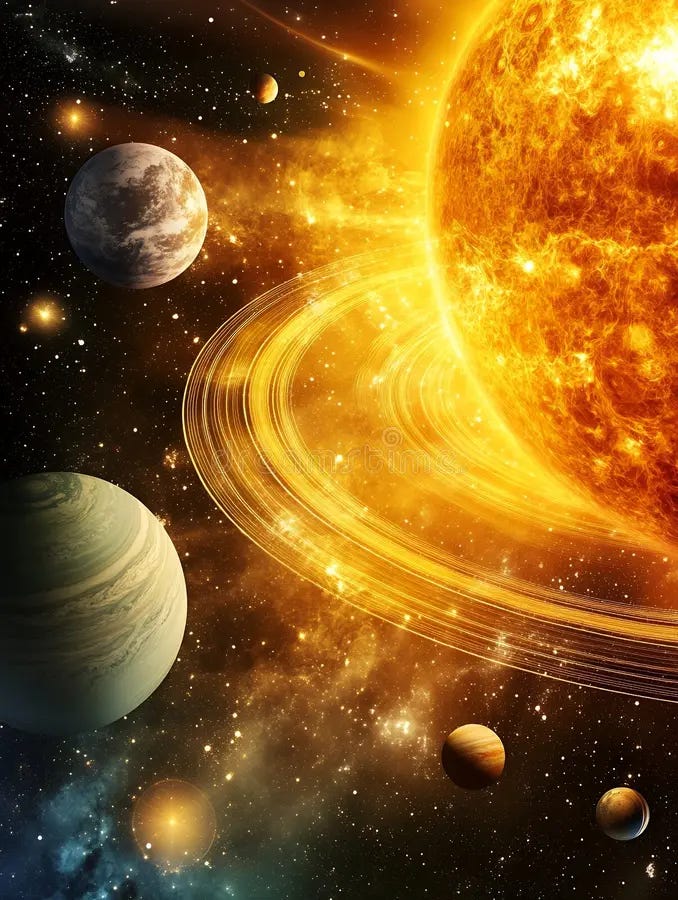
“But the days-that is, the hours’ spent in the sunward hemisphere of their microcosm—were the best of all. Often he rose after only a few hours’ sleep to return, drawn by an irresistible attraction, to the regions of light; he could not cease to wonder at the noon which always awaited you however early you went to seek it.
There, totally immersed in a bath of pure ethereal colour and of unrelenting though unwounding brightness, stretched his full length and with eyes half closed in the strange chariot that bore them, faintly quivering, through depth after depth of tranquillity far above the reach of night, he felt his body and mind daily rubbed and scoured and filled with new vitality.
Weston, in one of his brief, reluctant answers, admitted a scientific basis for these sensations: they were receiving, he said, many rays that never penetrated the terrestrial atmosphere.”
If you’re the type of reader that follows word threads within the book like I do, then you’re going to search out:
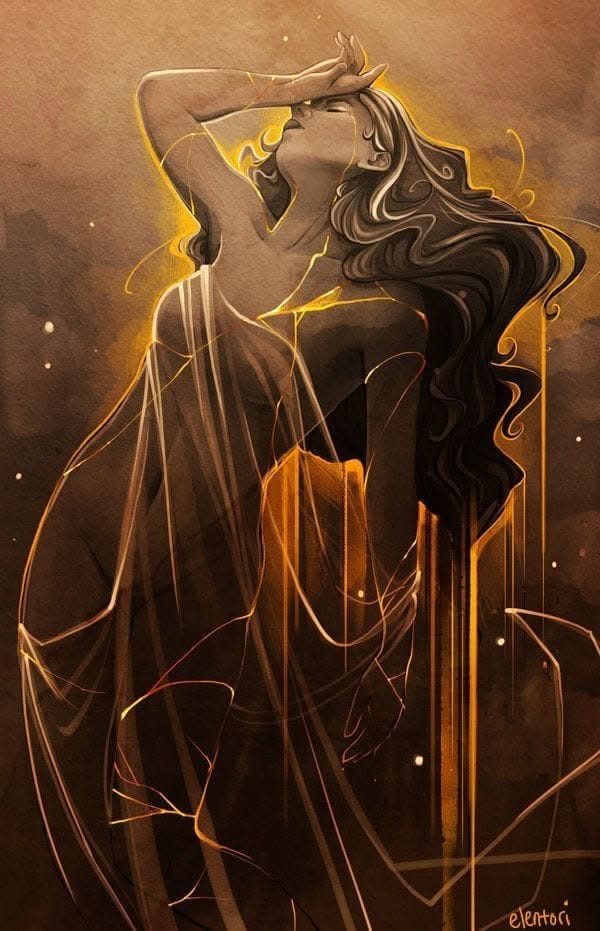
“Stretched naked on his bed, a second Danaë, he found it night by night more difficult to disbelieve in old astrology: almost he felt, wholly he imagined, “sweet influence” pouring or even stabbing into his surrendered body.”
Danaë is a reference that leads to the some of my favorite Greek myths. Danaë is a figure from Greek mythology, best known as the mother of the hero Perseus and for her encounter with Zeus. The king of the gods, saw the beautiful Danaë and desired her. He transformed himself into a shower of golden rain (or golden droplets), which poured through the roof or cracks in her prison and impregnated her.
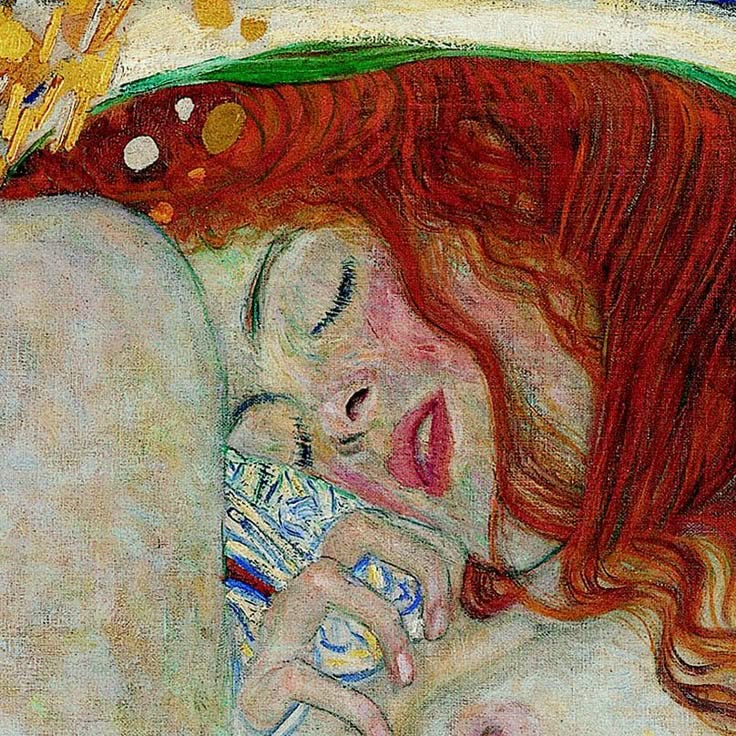
Who hasn’t experienced a “sweet influence pouring or even stabbing into his surrendered body”?
Who hasn’t felt the descriptions Ransom shares when submerged in the pulsing power of ocean currents or bathed in the warm dusk of a Summer’s Eve or caught up in the hot fires of Eros?
Doesn’t our body, soul or spirit have its own witness to the glory of God that makes us fully alive?

Then there’s the glory of our connection with God, in Christ, through the Holy Spirit. A mystical and mysterious union that all of our earthly joys and pleasures are a mere appetizer to the great feast to come.
I have: “…been enlightened…and…tasted the heavenly gift…and…”shared in the Holy Spirit…and…”have tasted the goodness of the word of God and the powers of the coming age” -Hebrews 6:4-5
During Lent we are invited into a deeper contemplation and experience of this faith that we have discovered in Christ and feed upon the food only the Lord can give (John 4:32).